






Price: GBP18.32
(as of Feb 08, 2026 00:07:37 UTC – Details)
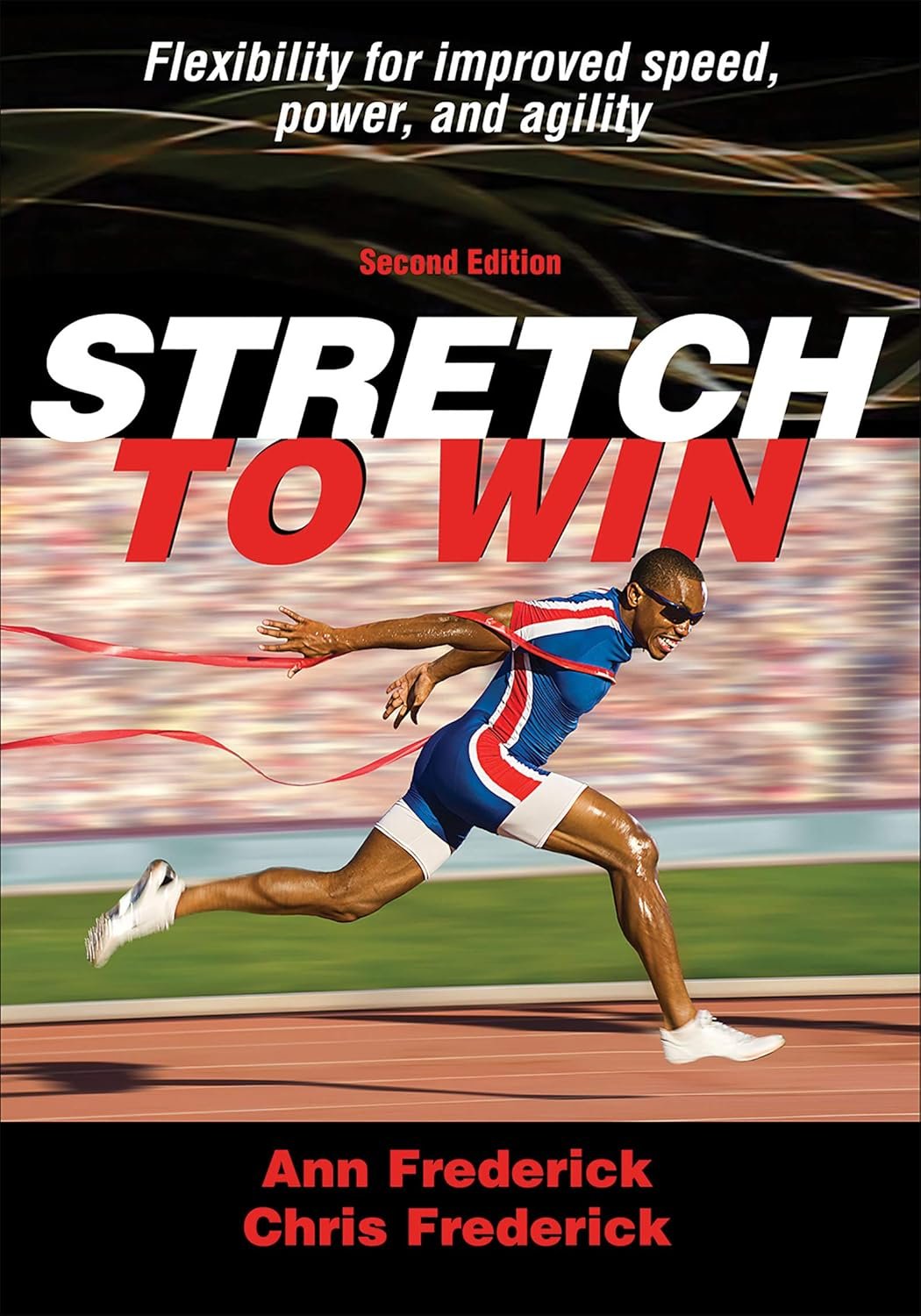
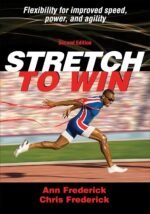
It’s all here—all the tools, all the stretches, and all the instruction to create an effective flexibility program for any sport or activity. If it’s time to increase mobility, power, speed, agility, range of motion, and overall performance, it’s time for Stretch to Win!
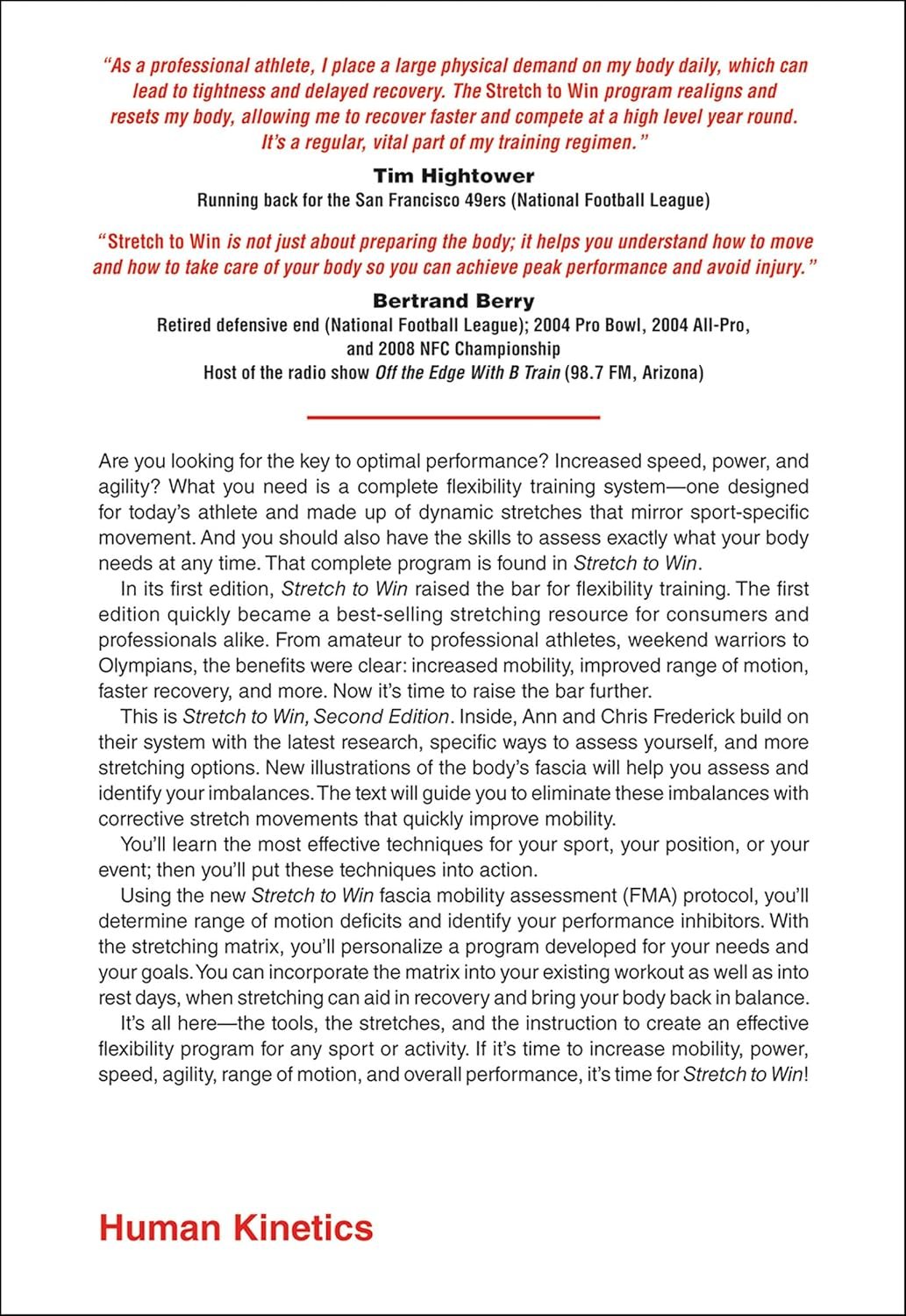
Are you looking for the key to optimal performance? Increased speed, power, and agility? What you need is a complete flexibility training system—one designed for today’s athlete and made up of dynamic stretches that mirror sport-specific movement. And you should also have the skills to assess exactly what your body needs at any time. That complete program is found in Stretch to Win.
In its first edition, Stretch to Win raised the bar for flexibility training. The first edition quickly became a best-selling stretching resource for consumers and professionals alike. From amateur to professional athletes, weekend warriors to Olympians, the benefits were clear: increased mobility, improved range of motion, faster recovery, and more. Now it’s time to raise the bar further.
This is Stretch to Win, Second Edition. Inside, Ann and Chris Frederick build on their system with the latest research, specific ways to assess yourself, and more stretching options. New illustrations of the body’s fascia will help you assess and identify your imbalances. Then the text will guide you to eliminate these imbalances with corrective stretch movements that quickly improve mobility.
You’ll learn the most effective techniques for your sport, your position, or your event; then you’ll put these techniques into action.
Using the new Stretch to Win fascia mobility assessment (FMA) protocol, you’ll determine range of motion deficits and identify your performance inhibitors. Then, with the stretching matrix, you’ll personalize a program developed for your needs and your goals. You can incorporate the matrix into your existing workout as well as into rest days, when stretching can aid in recovery and bring your body back in balance.
From the Publisher


Looking for the key to optimal performance, recovery, and injury prevention?
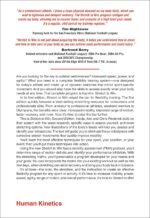
The revised Stretch to Win offers a complete fascial mobility assessment and flexibility training system to excel in any sport. With the most recent research and science in myofascial anatomy and physiology, Ann and Chris Frederick share their extensive experience in working with athletes of all ages and abilities by demonstrating proven stretching techniques to help you meet your performance and functional goals.
Featuring customized stretch sequences specific to your sport or activity, Stretch to Win will enhance your speed, power, and mobility.
Sample exercises

Figure 6.11 Rhomboid Stretch for the Deep Back Arm Net
INSTRUCTIONS
1. Assume a position on all fours with the hands under the shoulders and the knees approximately hip-distance apart.
2. Bend forward from the hips, and thread one arm behind the other with the palm facing up on the floor (see figure 6.11a). Continue reaching the arm across your body to target the area.
3. Lower your body toward the ground to increase the stretch (see figure 6.11b). Press into the floor with the other hand to stabilize. Don’t allow the body to collapse.
TIP
To increase the stretch, lean forward into the shoulder more and reach while you stretch in the exhalation.

Figure 7.4 Hip Abductors-Latissimus Dorsi-Quadratus Lumborum Stretch
INSTRUCTIONS
1. Assume a position on your hands and knees with the hands wider than the shoulders, the fingers spread apart, and the knees together (see figure 7.4a).
2. Exhale and slowly rock the hips to the right side and turn the head to look toward the feet (see figure 7.4b).
3. Alternate rocking side to side, dropping the hips farther down each time.

Figure 8.3 Power net, gluteus medius, and piriformis stretch
INSTRUCTIONS
1. The athlete lies in a supine position with the arms out to the sides. Kneel on one knee over athlete’s thighs.
2. Place your outside hand on the outside of the athlete’s ankle and your other hand on the back of the athlete’s knee. Use only slight pressure. The focus of the stretch is the ankle and not the knee.
3. Bend the athlete’s knee to move it toward the center of the chest with the foot below the knee and toward the floor so the leg is in a triangle shape (see figure 8.3). The athlete presses their knee into your hand.
4. Lift the athlete’s body to bring the femur out of the socket and create traction. Then, gently drop the athlete’s weight to find the athlete’s range and increase the stretch.
5. Repeat the stretch on the same side if there is still tightness, or switch sides and repeat.

Publisher : Human Kinetics
Publication date : June 14, 2017
Edition : Second
Language : English
Print length : 240 pages
ISBN-10 : 1492515876
ISBN-13 : 978-1492515876
Item Weight : 1.15 pounds
Reading age : 18 years and up
Dimensions : 7 x 0.7 x 9.9 inches
Best Sellers Rank: #426,479 in Books (See Top 100 in Books) #318 in Stretching Exercise & Fitness #474 in Exercise Injuries & Rehabilitation #514 in Pain Management (Books)
Customer Reviews: 4.5 4.5 out of 5 stars (156) var dpAcrHasRegisteredArcLinkClickAction; P.when(‘A’, ‘ready’).execute(function(A) { if (dpAcrHasRegisteredArcLinkClickAction !== true) { dpAcrHasRegisteredArcLinkClickAction = true; A.declarative( ‘acrLink-click-metrics’, ‘click’, { “allowLinkDefault”: true }, function (event) { if (window.ue) { ue.count(“acrLinkClickCount”, (ue.count(“acrLinkClickCount”) || 0) + 1); } } ); } }); P.when(‘A’, ‘cf’).execute(function(A) { A.declarative(‘acrStarsLink-click-metrics’, ‘click’, { “allowLinkDefault” : true }, function(event){ if(window.ue) { ue.count(“acrStarsLinkWithPopoverClickCount”, (ue.count(“acrStarsLinkWithPopoverClickCount”) || 0) + 1); } }); });
Reviews
Clear filtersThere are no reviews yet.